Online Article Coming Soon.

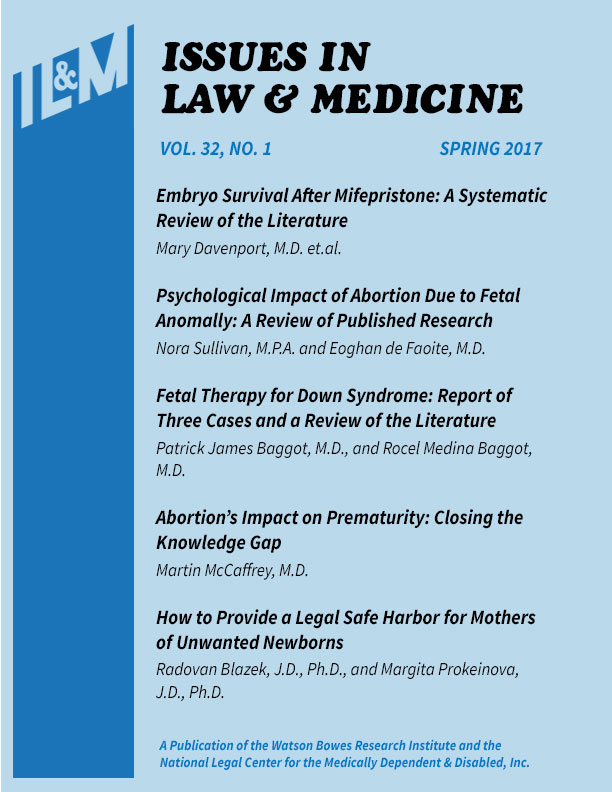
Background: Down syndrome (trisomy 21) is a well-known cause of mental retardation. It can be diagnosed in early pregnancy. Scientists have made great strides in outlining the pathophysiologic mechanisms of mental retardation in Down syndrome. Much less has been published on human therapy. To our knowledge, these are the first published cases of fetal therapy for Down syndrome.
Methodology: Reports of three cases. In all cases, treatment was both biochemical (e.g. nutritional) and educational. In all cases, treatment was both before and after birth.
Results: All children lacked the characteristic faces usually seen in the children with Down syndrome. This suggests a treatment effect before birth. All children had better than expected development.
Discussion: Enhancement of development is proposed as a new therapeutic principle. Developing neurons exchange neurotrophic factors during development when they give or receive stimulation from other neurons. Neurons which receive neurotrophic stimulation survive, and those, which do not, are lost to apoptosis. The developmental therapeutic principle seeks to optimize brain development. Biochemical inputs (neurotransmitters, drugs, hormones, nutrients) and functional stimulation are integrated to optimize the growth and survival of neurons individually; other cells; subcellular organelles; and the brain as a whole. Treatment may be before and after birth, both biochemical and functional. These principles may be applied to Down syndrome, other conditions, and normal fetuses or children.
Previously published: Baggot PJ and Baggot RM (2014). Fetal Therapy for Down Syndrome: Report of three cases and review of the literature. J Am Phys Surg 19(1):20-24.
Online Article Coming Soon.